Coloring Easter Eggs Meaning
Like many Easter traditions, decorating Easter eggs dates back many centuries. Here's what to know about the history of this activity.
In this comprehensive blog post, we will delve into the world of Easter egg colors and explore their meanings, significance, and symbolism. From the early Christian traditions to modern-day celebrations, the colors of Easter eggs have evolved over time, reflecting the cultural, social, and spiritual contexts of different societies.
Many beautiful Easter symbols have significance to us. But do you know why we celebrate with Easter eggs, Easter bunnies, lilies, and lambs? Find out the surprising origins of Easter symbols-and share this information with friends and family!
Every year at Easter, people hardboil eggs and dye them brilliant colors. Where did this tradition come from?
Why We Celebrate Easter | Easter Symbols What They Mean | Why We Color ...
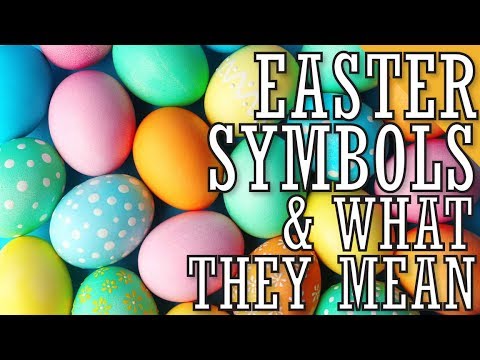
Easter Eggs: What Is the History Behind This Tradition? Have you ever wondered what eggs have to do with Easter? Why do we dye and hunt for Easter eggs every year? What is the connection between Easter eggs and the crucifixion and resurrection of Jesus Christ? Many of us might think Easter eggs and Easter egg hunts are a commercialized form of the Easter celebration. But their roots are deeply.
Every year at Easter, people hardboil eggs and dye them brilliant colors. Where did this tradition come from?
Many early civilizations throughout Europe embraced the idea that eggs had life-giving associations in springtime. In Ukraine, people began the practice of "writing" the eggs, called pysanky (from the word pysaty, meaning "to write"). From there, the modern day decorated egg was born.
In this comprehensive blog post, we will delve into the world of Easter egg colors and explore their meanings, significance, and symbolism. From the early Christian traditions to modern-day celebrations, the colors of Easter eggs have evolved over time, reflecting the cultural, social, and spiritual contexts of different societies.
Easter Egg Colouring Pages Printable - Free Coloring Sheet Printables ...
Here is a look at the link between dyeing eggs and Easter so you can offer up some fun history facts for your family this holiday.
Like many Easter traditions, decorating Easter eggs dates back many centuries. Here's what to know about the history of this activity.
Decorating eggs for Easter dates to ancient times and has been a part of Easter for centuries. Before you plan your designs, learn why we dye Easter eggs.
For many, dyeing Easter eggs is an annual tradition and a way to spend quality time with family and friends before the Easter holiday. I've always wondered how the tradition of making and hiding colored eggs relates to Easter besides getting children more involved in the holiday festivities. So why do we dye eggs for.
Free Coloring Easter Eggs
The tradition of coloring Easter eggs can be traced back to ancient pagan cultures, where eggs symbolized fertility and new life. As Christianity spread throughout Europe, the egg took on new meaning and became a symbol of the resurrection of Jesus Christ.
For many, dyeing Easter eggs is an annual tradition and a way to spend quality time with family and friends before the Easter holiday. I've always wondered how the tradition of making and hiding colored eggs relates to Easter besides getting children more involved in the holiday festivities. So why do we dye eggs for.
In this comprehensive blog post, we will delve into the world of Easter egg colors and explore their meanings, significance, and symbolism. From the early Christian traditions to modern-day celebrations, the colors of Easter eggs have evolved over time, reflecting the cultural, social, and spiritual contexts of different societies.
Decorating eggs for Easter dates to ancient times and has been a part of Easter for centuries. Before you plan your designs, learn why we dye Easter eggs.
Easter Egg Printable Coloring Pages Cross Coloring Pages
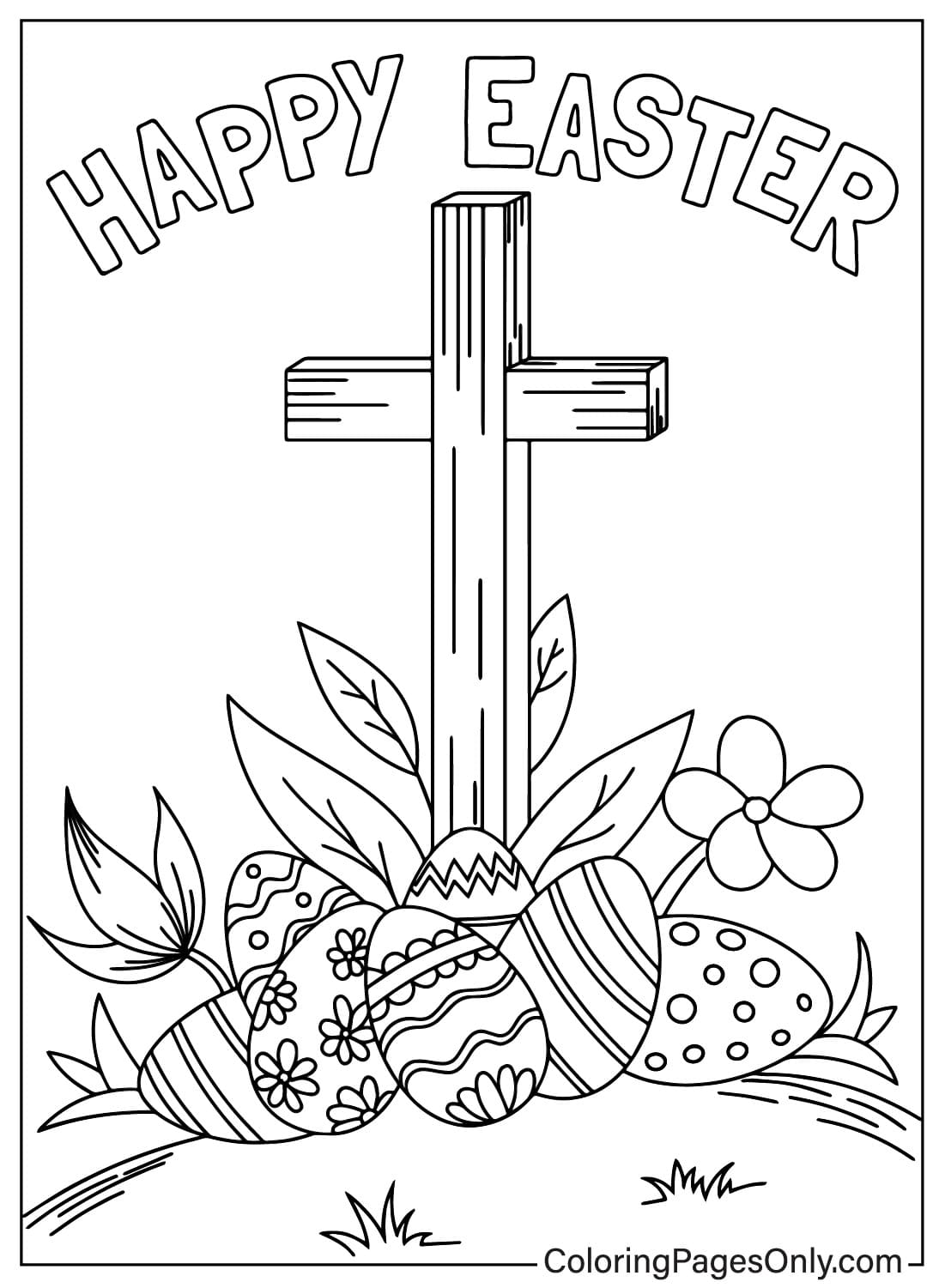
The tradition of coloring Easter eggs can be traced back to ancient pagan cultures, where eggs symbolized fertility and new life. As Christianity spread throughout Europe, the egg took on new meaning and became a symbol of the resurrection of Jesus Christ.
Many early civilizations throughout Europe embraced the idea that eggs had life-giving associations in springtime. In Ukraine, people began the practice of "writing" the eggs, called pysanky (from the word pysaty, meaning "to write"). From there, the modern day decorated egg was born.
For many, dyeing Easter eggs is an annual tradition and a way to spend quality time with family and friends before the Easter holiday. I've always wondered how the tradition of making and hiding colored eggs relates to Easter besides getting children more involved in the holiday festivities. So why do we dye eggs for.
In this comprehensive blog post, we will delve into the world of Easter egg colors and explore their meanings, significance, and symbolism. From the early Christian traditions to modern-day celebrations, the colors of Easter eggs have evolved over time, reflecting the cultural, social, and spiritual contexts of different societies.
The Meaning Of The Colors Of Ukrainian Pysanky Easter Eggs | Coloring ...

Decorating eggs for Easter dates to ancient times and has been a part of Easter for centuries. Before you plan your designs, learn why we dye Easter eggs.
Here is a look at the link between dyeing eggs and Easter so you can offer up some fun history facts for your family this holiday.
For many, dyeing Easter eggs is an annual tradition and a way to spend quality time with family and friends before the Easter holiday. I've always wondered how the tradition of making and hiding colored eggs relates to Easter besides getting children more involved in the holiday festivities. So why do we dye eggs for.
Many early civilizations throughout Europe embraced the idea that eggs had life-giving associations in springtime. In Ukraine, people began the practice of "writing" the eggs, called pysanky (from the word pysaty, meaning "to write"). From there, the modern day decorated egg was born.
Printable Creative Easter Egg Coloring Pages For Preschool
Decorating eggs for Easter dates to ancient times and has been a part of Easter for centuries. Before you plan your designs, learn why we dye Easter eggs.
For many, dyeing Easter eggs is an annual tradition and a way to spend quality time with family and friends before the Easter holiday. I've always wondered how the tradition of making and hiding colored eggs relates to Easter besides getting children more involved in the holiday festivities. So why do we dye eggs for.
Easter Eggs: What Is the History Behind This Tradition? Have you ever wondered what eggs have to do with Easter? Why do we dye and hunt for Easter eggs every year? What is the connection between Easter eggs and the crucifixion and resurrection of Jesus Christ? Many of us might think Easter eggs and Easter egg hunts are a commercialized form of the Easter celebration. But their roots are deeply.
Many beautiful Easter symbols have significance to us. But do you know why we celebrate with Easter eggs, Easter bunnies, lilies, and lambs? Find out the surprising origins of Easter symbols-and share this information with friends and family!
Egg-scellent Easter Egg Coloring Pages For Kids And Adults

Here is a look at the link between dyeing eggs and Easter so you can offer up some fun history facts for your family this holiday.
The tradition of coloring Easter eggs can be traced back to ancient pagan cultures, where eggs symbolized fertility and new life. As Christianity spread throughout Europe, the egg took on new meaning and became a symbol of the resurrection of Jesus Christ.
For many, dyeing Easter eggs is an annual tradition and a way to spend quality time with family and friends before the Easter holiday. I've always wondered how the tradition of making and hiding colored eggs relates to Easter besides getting children more involved in the holiday festivities. So why do we dye eggs for.
Every year at Easter, people hardboil eggs and dye them brilliant colors. Where did this tradition come from?
What Is The Origin Of Coloring Easter Eggs At Debra Schaper Blog
Here is a look at the link between dyeing eggs and Easter so you can offer up some fun history facts for your family this holiday.
In this comprehensive blog post, we will delve into the world of Easter egg colors and explore their meanings, significance, and symbolism. From the early Christian traditions to modern-day celebrations, the colors of Easter eggs have evolved over time, reflecting the cultural, social, and spiritual contexts of different societies.
Like many Easter traditions, decorating Easter eggs dates back many centuries. Here's what to know about the history of this activity.
Easter Eggs: What Is the History Behind This Tradition? Have you ever wondered what eggs have to do with Easter? Why do we dye and hunt for Easter eggs every year? What is the connection between Easter eggs and the crucifixion and resurrection of Jesus Christ? Many of us might think Easter eggs and Easter egg hunts are a commercialized form of the Easter celebration. But their roots are deeply.
Printable Easter Eggs Coloring Pages
In this comprehensive blog post, we will delve into the world of Easter egg colors and explore their meanings, significance, and symbolism. From the early Christian traditions to modern-day celebrations, the colors of Easter eggs have evolved over time, reflecting the cultural, social, and spiritual contexts of different societies.
Many early civilizations throughout Europe embraced the idea that eggs had life-giving associations in springtime. In Ukraine, people began the practice of "writing" the eggs, called pysanky (from the word pysaty, meaning "to write"). From there, the modern day decorated egg was born.
For many, dyeing Easter eggs is an annual tradition and a way to spend quality time with family and friends before the Easter holiday. I've always wondered how the tradition of making and hiding colored eggs relates to Easter besides getting children more involved in the holiday festivities. So why do we dye eggs for.
Like many Easter traditions, decorating Easter eggs dates back many centuries. Here's what to know about the history of this activity.
The History Of Easter Eggs & The Easter Eggs Meaning Explained

Decorating eggs for Easter dates to ancient times and has been a part of Easter for centuries. Before you plan your designs, learn why we dye Easter eggs.
Here is a look at the link between dyeing eggs and Easter so you can offer up some fun history facts for your family this holiday.
The tradition of coloring Easter eggs can be traced back to ancient pagan cultures, where eggs symbolized fertility and new life. As Christianity spread throughout Europe, the egg took on new meaning and became a symbol of the resurrection of Jesus Christ.
For many, dyeing Easter eggs is an annual tradition and a way to spend quality time with family and friends before the Easter holiday. I've always wondered how the tradition of making and hiding colored eggs relates to Easter besides getting children more involved in the holiday festivities. So why do we dye eggs for.
What Is The True Meaning Of The Easter Egg At Cary Bradley Blog

In this comprehensive blog post, we will delve into the world of Easter egg colors and explore their meanings, significance, and symbolism. From the early Christian traditions to modern-day celebrations, the colors of Easter eggs have evolved over time, reflecting the cultural, social, and spiritual contexts of different societies.
Every year at Easter, people hardboil eggs and dye them brilliant colors. Where did this tradition come from?
Here is a look at the link between dyeing eggs and Easter so you can offer up some fun history facts for your family this holiday.
Like many Easter traditions, decorating Easter eggs dates back many centuries. Here's what to know about the history of this activity.
Easter Egg Coloring Patterns For Kids Coloring Pages
Here is a look at the link between dyeing eggs and Easter so you can offer up some fun history facts for your family this holiday.
For many, dyeing Easter eggs is an annual tradition and a way to spend quality time with family and friends before the Easter holiday. I've always wondered how the tradition of making and hiding colored eggs relates to Easter besides getting children more involved in the holiday festivities. So why do we dye eggs for.
Many early civilizations throughout Europe embraced the idea that eggs had life-giving associations in springtime. In Ukraine, people began the practice of "writing" the eggs, called pysanky (from the word pysaty, meaning "to write"). From there, the modern day decorated egg was born.
Like many Easter traditions, decorating Easter eggs dates back many centuries. Here's what to know about the history of this activity.
Easter Eggs Coloring Printable - FREE Printable A-Z
Decorating eggs for Easter dates to ancient times and has been a part of Easter for centuries. Before you plan your designs, learn why we dye Easter eggs.
The tradition of coloring Easter eggs can be traced back to ancient pagan cultures, where eggs symbolized fertility and new life. As Christianity spread throughout Europe, the egg took on new meaning and became a symbol of the resurrection of Jesus Christ.
Here is a look at the link between dyeing eggs and Easter so you can offer up some fun history facts for your family this holiday.
For many, dyeing Easter eggs is an annual tradition and a way to spend quality time with family and friends before the Easter holiday. I've always wondered how the tradition of making and hiding colored eggs relates to Easter besides getting children more involved in the holiday festivities. So why do we dye eggs for.
Easter Egg Coloring Pages (Free Printables) - Superstar Worksheets

Like many Easter traditions, decorating Easter eggs dates back many centuries. Here's what to know about the history of this activity.
Many beautiful Easter symbols have significance to us. But do you know why we celebrate with Easter eggs, Easter bunnies, lilies, and lambs? Find out the surprising origins of Easter symbols-and share this information with friends and family!
In this comprehensive blog post, we will delve into the world of Easter egg colors and explore their meanings, significance, and symbolism. From the early Christian traditions to modern-day celebrations, the colors of Easter eggs have evolved over time, reflecting the cultural, social, and spiritual contexts of different societies.
The tradition of coloring Easter eggs can be traced back to ancient pagan cultures, where eggs symbolized fertility and new life. As Christianity spread throughout Europe, the egg took on new meaning and became a symbol of the resurrection of Jesus Christ.
The History Of Easter Eggs & The Easter Eggs Meaning Explained

Many early civilizations throughout Europe embraced the idea that eggs had life-giving associations in springtime. In Ukraine, people began the practice of "writing" the eggs, called pysanky (from the word pysaty, meaning "to write"). From there, the modern day decorated egg was born.
Every year at Easter, people hardboil eggs and dye them brilliant colors. Where did this tradition come from?
The tradition of coloring Easter eggs can be traced back to ancient pagan cultures, where eggs symbolized fertility and new life. As Christianity spread throughout Europe, the egg took on new meaning and became a symbol of the resurrection of Jesus Christ.
For many, dyeing Easter eggs is an annual tradition and a way to spend quality time with family and friends before the Easter holiday. I've always wondered how the tradition of making and hiding colored eggs relates to Easter besides getting children more involved in the holiday festivities. So why do we dye eggs for.
The tradition of coloring Easter eggs can be traced back to ancient pagan cultures, where eggs symbolized fertility and new life. As Christianity spread throughout Europe, the egg took on new meaning and became a symbol of the resurrection of Jesus Christ.
Every year at Easter, people hardboil eggs and dye them brilliant colors. Where did this tradition come from?
Easter Eggs: What Is the History Behind This Tradition? Have you ever wondered what eggs have to do with Easter? Why do we dye and hunt for Easter eggs every year? What is the connection between Easter eggs and the crucifixion and resurrection of Jesus Christ? Many of us might think Easter eggs and Easter egg hunts are a commercialized form of the Easter celebration. But their roots are deeply.
Decorating eggs for Easter dates to ancient times and has been a part of Easter for centuries. Before you plan your designs, learn why we dye Easter eggs.
Many early civilizations throughout Europe embraced the idea that eggs had life-giving associations in springtime. In Ukraine, people began the practice of "writing" the eggs, called pysanky (from the word pysaty, meaning "to write"). From there, the modern day decorated egg was born.
In this comprehensive blog post, we will delve into the world of Easter egg colors and explore their meanings, significance, and symbolism. From the early Christian traditions to modern-day celebrations, the colors of Easter eggs have evolved over time, reflecting the cultural, social, and spiritual contexts of different societies.
Like many Easter traditions, decorating Easter eggs dates back many centuries. Here's what to know about the history of this activity.
Many beautiful Easter symbols have significance to us. But do you know why we celebrate with Easter eggs, Easter bunnies, lilies, and lambs? Find out the surprising origins of Easter symbols-and share this information with friends and family!
For many, dyeing Easter eggs is an annual tradition and a way to spend quality time with family and friends before the Easter holiday. I've always wondered how the tradition of making and hiding colored eggs relates to Easter besides getting children more involved in the holiday festivities. So why do we dye eggs for.
Here is a look at the link between dyeing eggs and Easter so you can offer up some fun history facts for your family this holiday.